
All About the Architecture of Tsunami-Resistant Buildings
Design stories become more useful when they move past surface admiration and ask how materials, spaces, images and systems shape the way people actually live, work and interpret the built world.
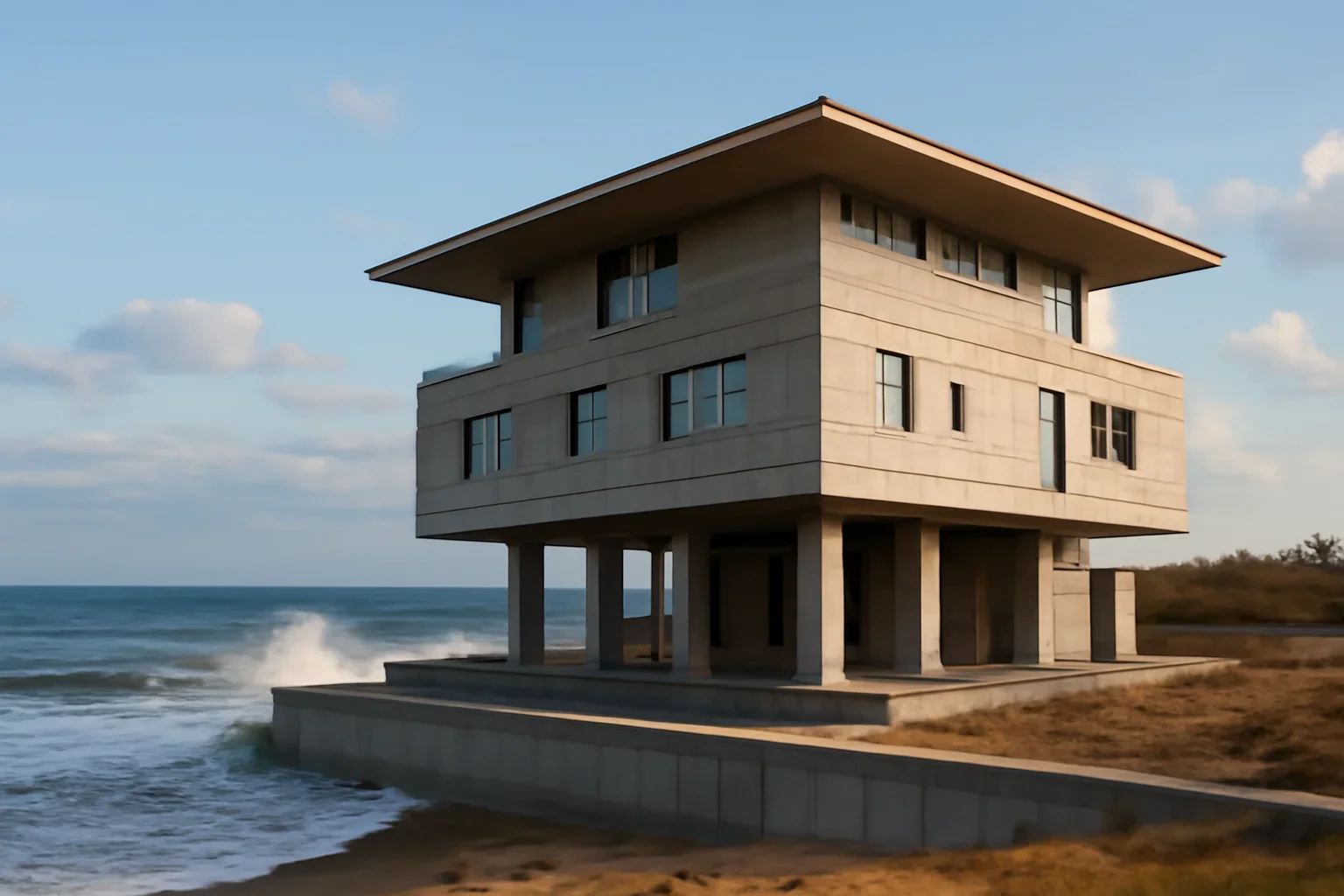
Readers come to stories like this when they want more than a headline or a generic list of tips. The goal is to leave with a clearer lens, a sharper question or a more practical framework for what happens next.
Related reading lives in Blog, Newsletter, press release distribution and Explainers.
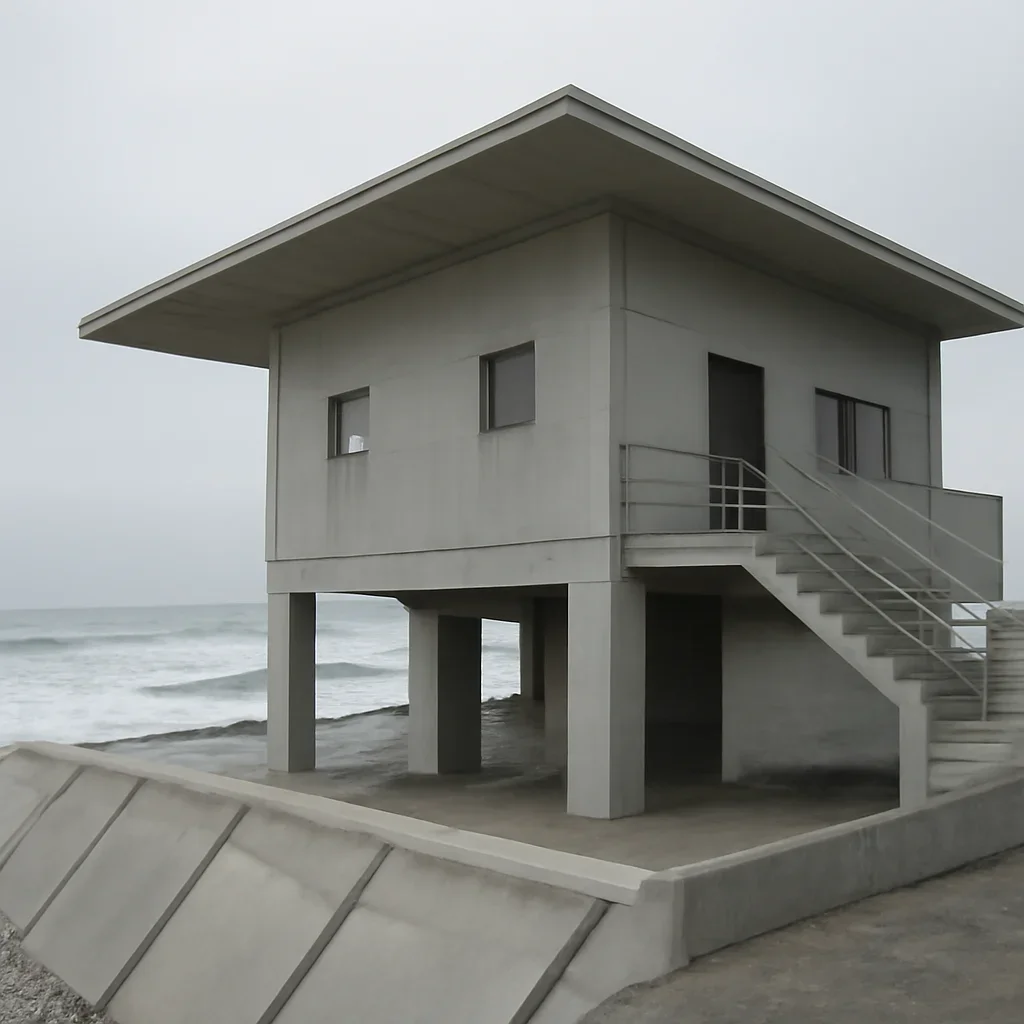
Look for the tension underneath the design story
The most memorable design and architecture writing starts with a live question. It might be about resilience, authenticity, representation, presentation or the social meaning of materials and space. Once that tension is visible, the reader has a reason to keep going beyond the visual appeal.
Context turns a visual subject into a readable article
A project, image or debate becomes stronger on the page when it is connected to climate, labor, politics, history, access or the way a community experiences the design in practice. That shift is what turns a gallery of references into journalism or criticism that sticks.
Examples matter when they sharpen the principle
In an article like “All About the Architecture of Tsunami-Resistant Buildings,” examples should not be decorative filler. They should give the reader a clearer way to compare approaches, see trade-offs and understand what makes one response stronger than another.
The best close sends the reader back to the world
Great design coverage does not end with admiration. It gives the reader a sharper lens for the next building, image, plan, product or debate they encounter.
What makes a design article worth reading?
A strong article pairs visual interest with a real question, clear examples and enough context to explain why the subject matters beyond aesthetics.
Why is context so important in architecture coverage?
Because buildings, materials and plans exist inside environmental, social and political conditions that shape what they mean.
How should examples be used?
Use them to test an argument or illustrate a contrast, not just to lengthen the story.
Keep exploring design, culture and slower editorial features.
Use what you learned here to choose the next section, submission route or editorial workflow that fits the story best.
More visual context for all about the architecture of tsunami-resistant buildings.