
Writ Petition Challenges the Foundations of Bangladesh's 2026 Election
Election systems rarely fail in a single dramatic moment. They fray through legal disputes, pressure on institutions, questions about legitimacy and growing public doubt about whether the rules will be applied fairly.
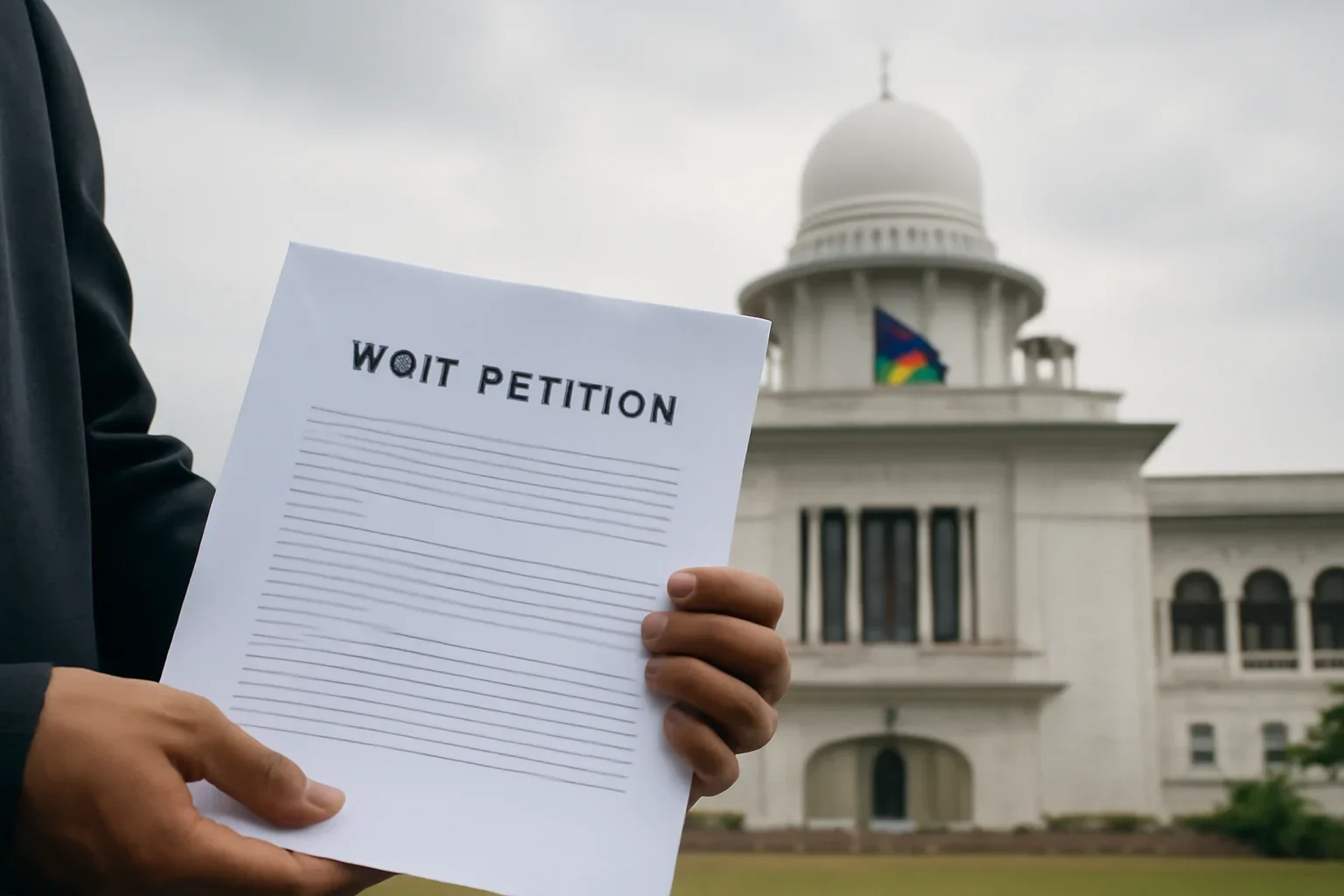
Readers come to stories like this when they want more than a headline or a generic list of tips. The goal is to leave with a clearer lens, a sharper question or a more practical framework for what happens next.
Related reading lives in Blog, Newsletter, press release distribution and Explainers.
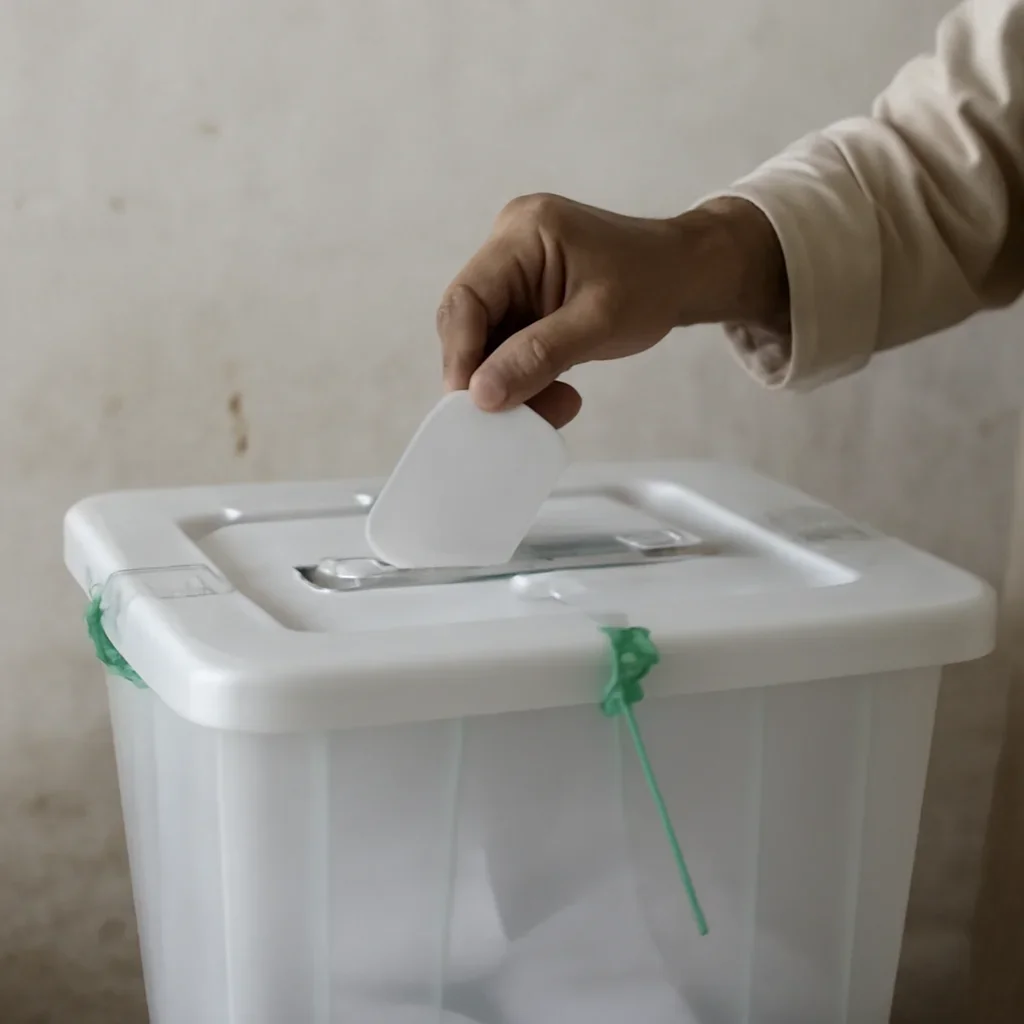
Why procedural fights matter early
By the time an election crisis becomes obvious to everyone, the pressure has usually been building for months. Legal challenges, conflicts over eligibility, administrative disputes and public messaging battles can all change the atmosphere long before ballots are cast. Readers who want to understand the stakes need to follow the institutions as closely as the personalities.
Legitimacy depends on more than the formal vote
A system can hold an election date and still leave voters, candidates and observers unsure about whether the process deserves trust. Fair competition, enforceable rules, visible independence and credible administration all shape whether the public sees the outcome as earned rather than imposed.
Why constitutional analysis changes the reading
Political headlines often flatten legal disputes into campaign drama. Constitutional analysis slows the story down and asks a different question: what does the challenge reveal about the structure of the system, the balance of power and the room left for meaningful contest? That change in framing is often where the real story sits.
What readers should watch next
Pay attention to how institutions respond, how opposition figures and civil society groups frame the dispute, whether procedural changes alter practical participation and whether the language of legality is being used to settle political questions that should remain open to genuine competition.
Why focus on procedures instead of only candidates?
Because institutional rules determine whether the competition itself is credible, not just who happens to be leading at a given moment.
What makes an election crisis hard to read from abroad?
Distance can make the story feel abstract, so legal structures and administrative details may get less attention than personalities and slogans.
Why does legitimacy matter so much?
Legitimacy shapes whether the public accepts the result, whether institutions hold and whether post-election conflict widens or narrows.
Follow world coverage that adds legal and institutional context.
Use what you learned here to choose the next section, submission route or editorial workflow that fits the story best.
More visual context for writ petition challenges the foundations of bangladesh's 2026 election.