A FRESH PERSPECTIVE

Your world, made clearer.

Explainers

Explainers / Analysis

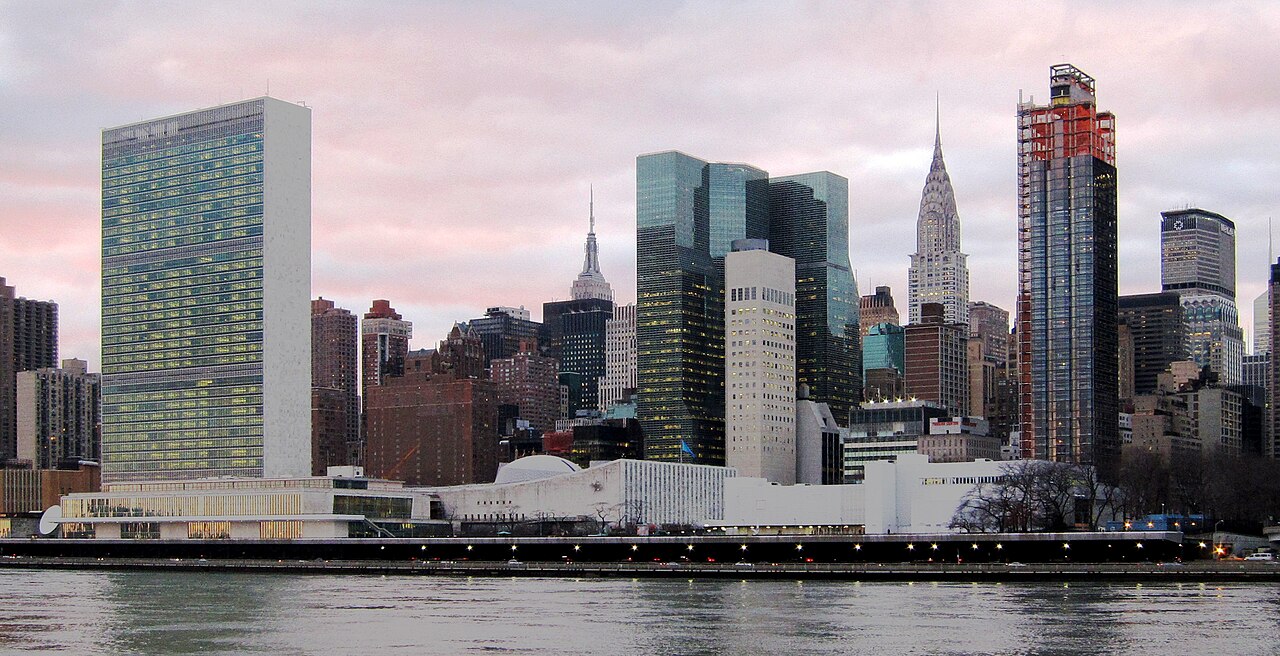
What the UN’s new AI governance dates actually show, and what they still do not

UN pages now set 3–4 May 2027 for the next Global Dialogue on AI Governance and had listed a member-state consultation for 19 November 2026. That is real process movement, but the public record reviewed still does not show consultation outcomes, draft rules or binding commitments.

Explainers / Analysis

What the public record shows before the ILO’s 16 November director-general vote

The ILO’s public pages set out the timetable and candidate list for its next director-general, but the records retrieved here leave a key gap: they do not publish the text of a 9 November decision or prove what happened in a private hearing before the 16 November ballot.

Explainers / Analysis

Why WHO’s November updates changed the picture of the DRC Bundibugyo outbreak

WHO’s records from 6 to 11 November 2026 show rising Bundibugyo Virus Disease totals in the Democratic Republic of the Congo. But the sharper change is operational: violence that disrupted health services, broke contact follow-up and narrowed what the public record can firmly say.

Explainers / Analysis

Barbados’s WHO HIV validation is a real milestone, but a narrow one

WHO said on 30 October 2026 that Barbados had eliminated mother-to-child transmission of HIV as a public health problem. The public WHO record supports a specific 2022–2024 prevention milestone with high coverage of pregnancy-related services, but it does not by itself show post-2024 results, future financing or broader trends in Barbados’s HIV epidemic.

Explainers / Analysis

FAO’s October food-price dip does not mean food pressure has passed

FAO said its global food-price benchmark fell in October 2026 even as sugar prices jumped. The shift matters, but the source record shows a narrower point about traded commodity prices than about what households or aid systems are facing on the ground.

Explainers / Analysis

What Woochong Um’s World Bank appointment proves, and what it does not yet show

The World Bank Group’s appointment of Woochong Um is the clearest sign yet that its new Independent Accountability Mechanism is moving from design to leadership selection. But the public record still does not show final rules, staffing, budget or how case handling will work after his January 18, 2027 start date.

Explainers / Analysis

What the UN’s Bridgetown AI safety summit can actually do on 23 November 2026

A UN summit in Barbados is close, but the public record points to a convening event, not a global rule-writing session. The key question is not whether governments will talk about AI safety, but whether they publish any concrete voluntary pledges that can be checked later.

Explainers / Analysis

WHO’s INTERPOL agreement links outbreak response to policing. The public record still leaves key rules unanswered.

WHO says its 16 October agreement with INTERPOL creates a framework for cooperation on unusual biological events, falsified medical products and other health-security threats. But the public documents still do not show the legal rules, data-sharing terms or country-level approvals that would tell readers how the arrangement will work.

Explainers / Analysis

WHO’s new TB-in-pregnancy toolkit is a practical step, not proof of change

WHO posted a tuberculosis research toolkit for pregnancy and lactation on 13 October 2026. The WHO record supports a new practical hub for study design, ethics and related issues, but not new funding, regulatory mandates or measured increases in enrolment.

Explainers / Analysis

UN warnings on Sudan show rising famine risk and regional spillover, not proof that aid has caught up

Public UN warnings published on 10, 12, 16 and 20 October 2026, read with WFP’s undated Sudan emergency page and a 22 September WFP report, show worsening famine risk and at least one serious cross-border security incident linked to Sudan’s war. They do not, on this record, prove that donor money has arrived, that supplies reached specific provinces after August, or that conditions improved.

Explainers / Analysis

Why the ILO wants violence protections for informal workers before jobs become formal

Two ILO briefs published on 2 October 2026 argue that workers in the informal economy need protection from violence and harassment now, not only after formalization. The public record shows policy guidance and broad prevalence evidence, but not national adoption, budgets or measured results.

Explainers / Analysis

UN adopts pandemic declaration, but the harder steps still sit with WHO talks

The UN General Assembly’s 12 October 2026 adoption of a pandemic political declaration is a real diplomatic step. But the records supplied here still point to later WHO decisions on the PABS annex, the WHO Pandemic Agreement and any financing or national implementation.

Explainers / Analysis

Why one El Niño outlook points to drought risk in the south and flood risk in the north

A World Meteorological Organization outlook published on 1 October 2026 says the South-West Indian Ocean does not have one single El Niño impact pattern for October 2026 to March 2027. Read with FAO seasonality context and a 23 September 2026 Somalia warning, it suggests readers should track risk by subregion and season, not assume one basin-wide hazard.

Explainers / Analysis

Moldova’s pay tool starts with what a job involves

An ILO instrument compares the requirements of different jobs before examining pay. Its pilot and planned adaptations leave the question of measured wage outcomes open.

Explainers / Analysis

One Health needs more than a shared dashboard

FAO’s global conference puts coordination across agrifood systems on the agenda. Shared information becomes useful only when responsibilities and decisions are clear.

Explainers / Analysis

Why a near-record global cereal harvest does not answer who can afford food

The September 2026 FAO and WFP records are measuring different parts of the food system. One is a global cereal forecast, one is a planned West Bank aid reduction, and one is an agency-wide donor table that does not show cash available for that specific operation.

Explore the desks

01World02The Briefing03Explainers04Culture